
Effect of Drone-Based Sampling on Blue Whale Behavior
- Ksea Ocean

- Mar 19, 2022
- 2 min read
Updated: Apr 6, 2022
Introduction
Marine mammalogists and researchers in the Loreto Bay National Park researched and analyzed the effects of drone-based blow sampling on blue whales (Balaenoptera musculus). Blow samples provide scientists with information regarding the overall health of the whale such as stress factors, reproductive status, genetics, and microbiomes. Previous techniques required direct contact between the whale and scientists to collect the sample. These direct contact techniques have been known to disturb whale behavior. In an effort to steer away from direct contact sampling, research had been conducted, analyzing the impacts of using drones (unmanned aerial vehicles) to physically collect the blow sample and the possible effects on whales’ surface and diving behavior.
Methods
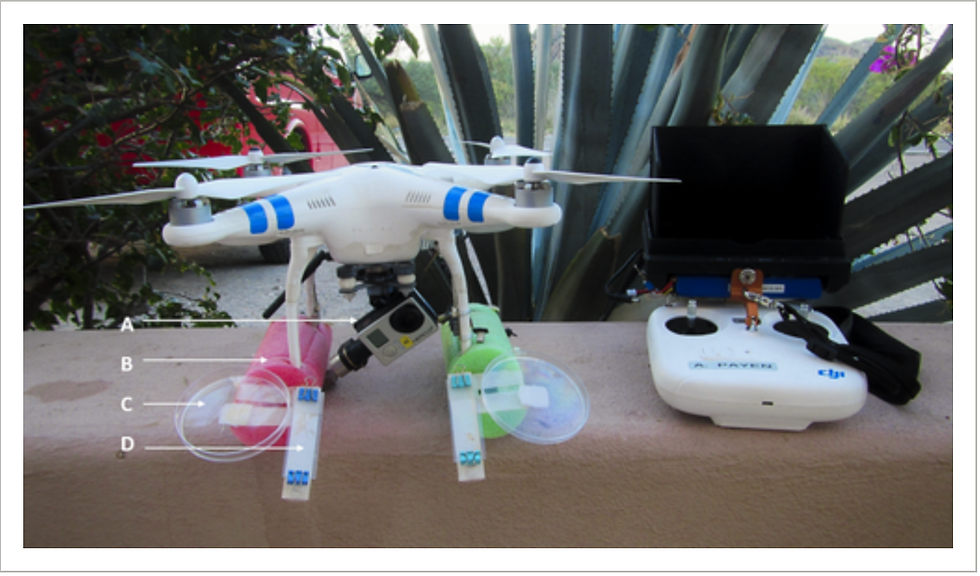
To investigate whether or not drone sampling altered the surface and diving behavior of blue whales, special techniques and methods were used when sampling. The research was conducted on a 7 meters outboard skiff which is a smaller boat. The key to this research was monitoring and recording the animals’ behavior before, during, and after the sampling. This would include the whales’ general activity, displacement patterns, and diving behavior. Whenever a whale was spotted, it was photo-identified and followed at a distance greater than 100 meters for one hour (to predict the next surfacing), with the boat motor off. The drone used to collect the blow was a Phantom 2 quadcopter drone with a digital camera attached to it. Once the drone was released, it was aimed roughly 5 meters above the whale and collected 4 to 5 blows per flight.
Results
A total of 194 events (14 flights) of drone-based blow sampling were recorded, which included monitoring behavior before, during, and after sampling. The average observation period lasted between 97 and 245 minutes. The behavior being monitored included surface time, dive time, blows per surfacing, blow interval, full-cycle length, and blow rate. After conducting 14 flights, it was found that there were no significant changes in each of these vital behaviors, suggesting that using drones as sample collections is effective and harmless.
Discussion Sections
Drone-based sampling was proven to not interfere with blue whales’ natural behaviors, as no evidence was found that their diving behaviors were modified after sampling. Drone-based sampling has shown to be more favorable than direct contact techniques. Through direct-contact methods adhered to the principles of replacement, reduction, and refinement, they are still known to negatively impact Blue Whale behavior. The drone methods discussed in this article have proven to be more favorable for future cetacean research requiring samples directly from the animals.
References
Dominguez-Sanchez, C. A. (2018). Effect of drone-based sampling on blue whale (Balaenoptera musculus) behavior. Marine Mammal Science, 34(3), 841–850. https://doi.org/https://doi-org.liblink.uncw.edu/10.1111/mms.12482




Comments